How to Choose the Right Drill Bit for Any Project: The Ultimate Guide (2026)
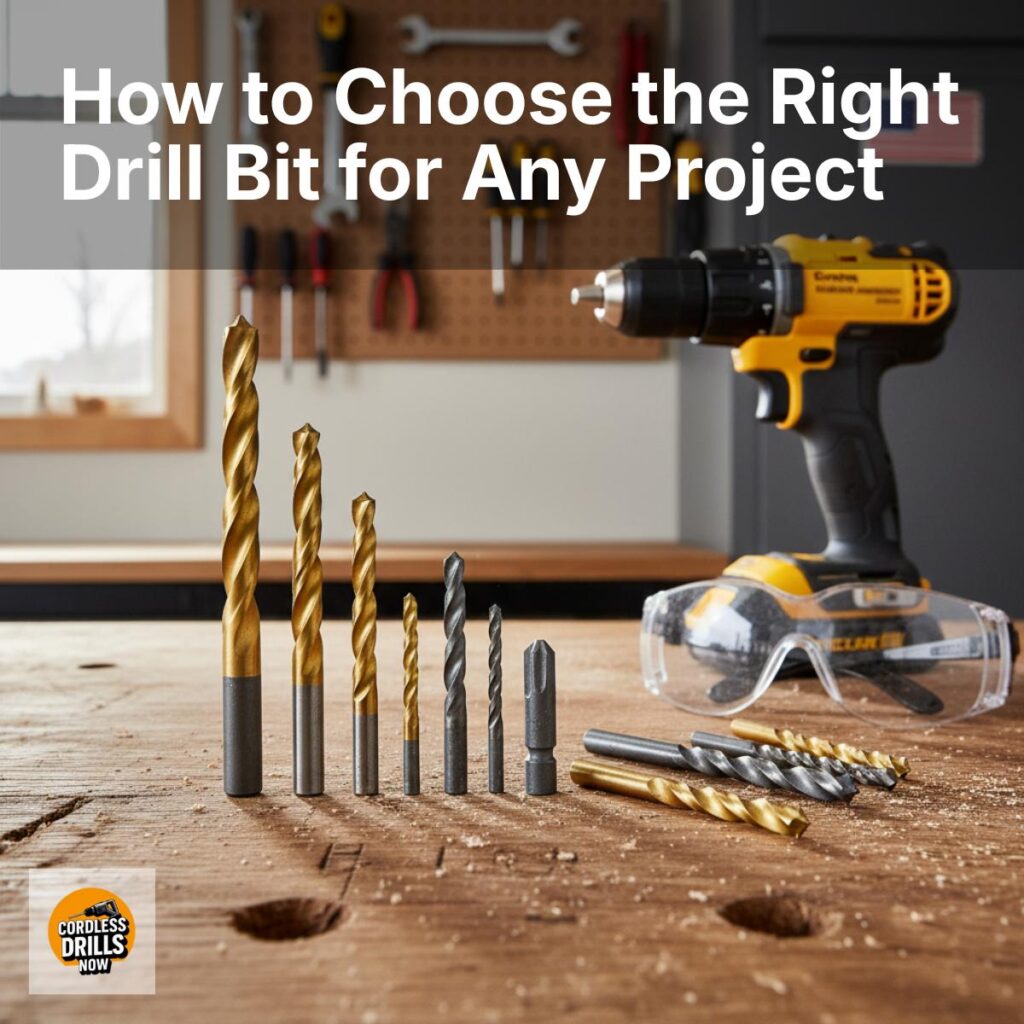
<p>Selecting the right drill bit is the single most impactful decision you can make at the start of any drilling project. The right bit saves time, reduces wear on your tools, and delivers clean, accurate results. This guide provides a practical, up-to-date framework for choosing drill bits across a range of materials and applications in 2026.</p><p>1. Understand the basics of drill bits<br>- Material: Bits are typically made from high-speed steel (HSS), cobalt alloy, carbide-tipped, or solid carbide. HSS is versatile for wood and non-ferrous metals; cobalt alloys excel in harder metals like stainless steel; carbide-tipped bits are ideal for abrasive materials and high-speed drilling; solid carbide bits are reserved for very hard materials and special applications but are brittle and require rigid setups.<br>- Point geometry: Split-point bits reduce walking on soft materials; brad-point bits offer clean holes in wood; twist bits are common for metal and many plastics; step or spur bits create shallow pilot holes or large-diameter holes in wood.<br>- Shank type: Most consumer drills use 1/4-inch round shanks or 3/8-inch up to 1/2-inch for larger bits. Ensure compatibility with your drill chuck.<br>- Cutting edges and helix angle: Higher helix angles clear chips faster in softer materials; lower angles provide better control and straightness in metal. Consider coatings (zinc, black oxide, titanium nitride) for reduced wear and improved lubricity.</p><p>2. Match the material to the bit<br>- Wood: Use fast-cutting bits such as brad-point or auger bits for large holes. For plywood and composite materials, pilot-hole guidance and self-centering bits help prevent tear-out.<br>- Metal: HSS twist bits are the staple for aluminum and soft steels. For stainless steel or hard alloys, consider cobalt or carbide-tipped bits and use cutting fluid to minimize heat. Drill at slower speeds with ample lubrication and steady pressure.<br>- Plastic: Use sharp bits with a sharp point to prevent wandering. Lip and spur bits, brad-point variants, or step bits work well depending on hole size.<br>- Masonry: Diamond grit or carbide-tipped masonry bits paired with a hammer drill are essential. Use shorter, thicker bits for better durability and control.<br>- Composite materials: Choose bits designed for composites, with sharp cutting edges to minimize delamination and heat buildup.</p><p>3. Define the hole size and tolerance<br>- Hole diameter: Determine whether you need a pilot hole, a clearance hole, or a fixed-size hole for fasteners. For wood, pilot holes prevent splitting; for metal, use a clearance hole sized slightly larger than the bolt shank.<br>- Tolerance and finish: If a precise bore is required, consider using reamers after drilling, or start with a smaller pilot and progressively step up to the final size. For critical tolerances, use carbide-tipped or solid carbide bits in conjunction with precise drilling equipment.</p><p>4. Consider the drill rig and process conditions<br>- Drill speed (RPM): Softer materials require higher RPM with appropriate feed rates; harder materials require lower RPM and steady pressure to prevent bit wear. Always consult the bit manufacturer’s speed recommendations.<br>- Feed rate and pressure: Apply consistent, moderate pressure. Let the bit do the work; excessive force can dull or break bits, especially in hard materials.<br>- Coolant and lubrication: Lubrication reduces heat and extends bit life in metal; for woodworking, dust control and clean chips are more critical than lubrication.<br>- Drill press vs. handheld: Drill presses offer concentricity and repeatability, especially for larger holes or high-precision work. Handheld drills demand careful alignment and support to avoid wandering.</p><p>5. Coatings and brands worth considering in 2026<br>- Coatings: Titanium nitride (TiN), titanium aluminum nitride (TiAlN), and black oxide coatings reduce wear and heat buildup. Self-centering, pilot-guided, and brad-point designs continue to improve hole quality in wood.<br>- Brands: Reputable manufacturers offer varying lineups tailored to wood, metal, masonry, and composites. For professional-grade work, investing in a small set of high-quality HSS bits, cobalt bits for metal, and carbide-tipped bits for hard materials typically pays off in reliability and longevity.</p><p>6. Practical buying tips<br>- Start with a core set: A versatile set should include a mix of high-speed steel twist bits (various sizes), brad-point bits for wood, cobalt twist bits for metal, and a couple of carbide-tipped masonry bits. Add dragon grit or carbide-tipped bits for especially hard jobs if your budget allows.<br>- Look for tolerance and runout: A well-made bit should drill true with minimal runout. Inspect bits for straightness and sharpness upon purchase and periodically sharpen or replace as needed.<br>- Sharpening: Downtime for sharpening is a fact of life in professional settings. Invest in a quality bit sharpener and learn to maintain the common bit geometries you use most often.</p><p>7. Quick reference by material<br>- Wood: Brads/Brad-point bits, spade bits, auger bits, hole saws for large holes.<br>- Metal: HSS twist bits, cobalt for stainless, carbide-tipped for hard alloys; use cutting fluid when possible.<br>- Masonry: Carbide-tipped or diamond-grit masonry bits with a hammer drill.<br>- Plastics/ composites: Sharp, clean-cut bits; consider pilot holes to reduce tear-out.</p><p>8. Safety and best practices<br>- Wear eye protection and keep the workspace stable.<br>- Use proper clamps to secure workpieces to avoid shifting during drilling.<br>- Check bit condition before use; a dull or nicked bit increases heat and decreases control.<br>- Allow appropriate breakthrough and exit: backing boards or sacrificial material help prevent tear-out on delicate surfaces.</p><p>Conclusion<br>Choosing the right drill bit is a straightforward investment in accuracy, efficiency, and durability. By understanding material compatibility, hole requirements, and your tooling capabilities, you can approach any project with confidence. Start with a thoughtful selection from a core set, maintain your bits with proper care, and adjust speeds, feeds, and lubrication to match the material at hand. With these principles in place, you’ll achieve cleaner holes, longer bit life, and smoother project workflows across 2026 and beyond.</p><p><a href="https://www.cordlessdrillsnow.com/how-to-choose-the-right-drill-bit-for-any-project-the-ultimate-guide/">Source</a></p>


Comments
Post a Comment