How to Choose a Cordless Drill: The 2026 Buyer’s Guide to Avoiding the “Battery Trap”
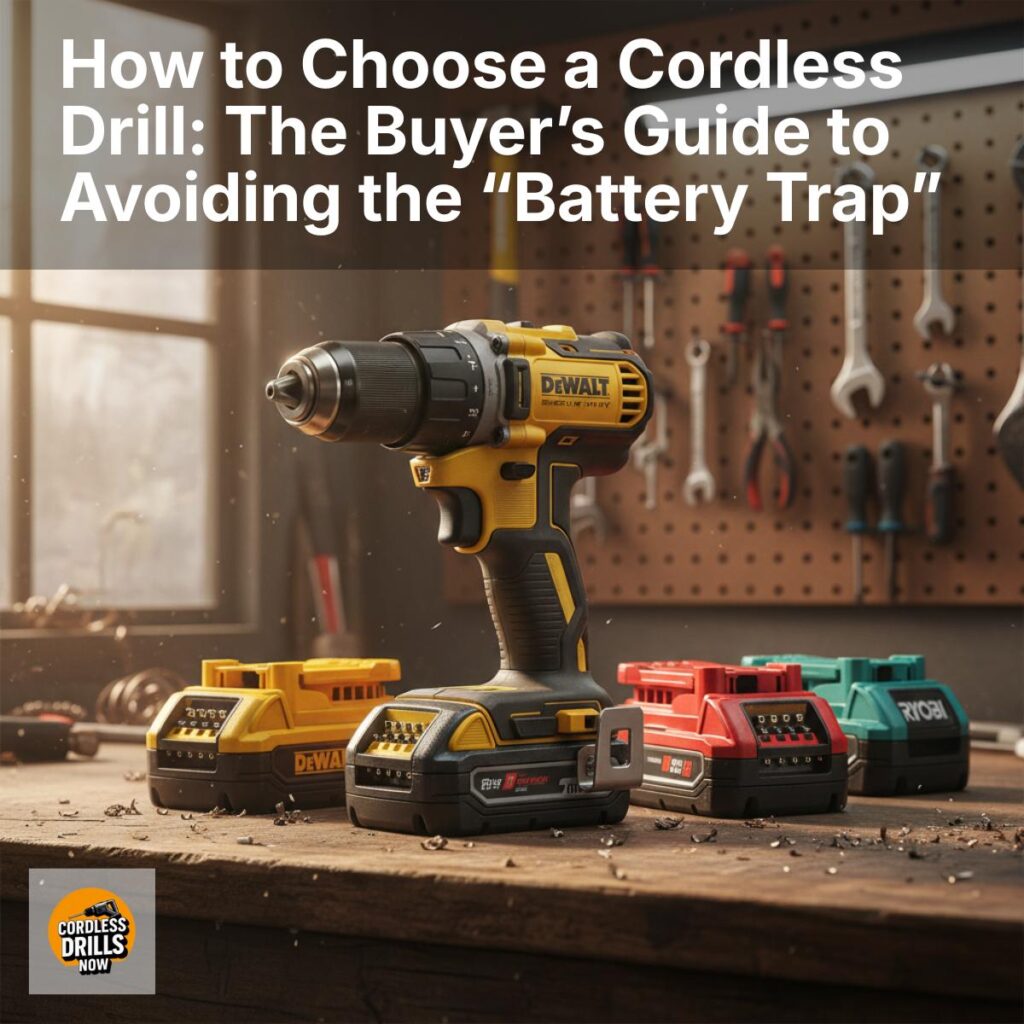
In 2026, cordless drills have evolved far beyond their early DIY roots. The right model can save you time, weight, and money for years, while the wrong choice can lock you into expensive batteries and chargers you’ll rarely use. This guide helps you sift through the options, understand the real costs, and avoid the so-called Battery Trap that can quietly inflate your ownership bill. Introduction Whether you’re hanging shelves, building a deck, or tackling occasional masonry, a cordless drill is a core tool in any workshop. The market now emphasizes efficiency, reliability, and ecosystem longevity as much as raw power. The challenge is not to pick the most powerful drill, but to choose one that fits your tasks, feels comfortable in your hand, and plays well with the rest of your tools over the next several years. Key considerations when choosing a cordless drill - Battery platform and chemistry: The battery is the single largest determinant of long-term cost and convenience. Li-ion remains the standard for performance and run time, with higher capacity packs (e.g., 4.0–6.0 Ah) delivering longer runtimes between charges. LiFePO4 offers stability and long life in some climates, but may come with lower energy density. NiCd and NiMH are rare in new tools due to weight and aging concerns. Whatever you choose, prioritize a single platform with multiple tool options so you can reuse batteries across your fleet. - Voltage and torque: Higher voltage generally translates to more power, but isn’t a guarantee of real-world performance. For light tasks (drilling holes in softwood, small fasteners), 12–18V is often sufficient. For heavy carpentry or occasional masonry, 18–20V models with robust gearing are preferable. If you anticipate frequent heavy use, look for a tool with a wide torque range and a reliable clutch to protect fasteners and workpieces alike. - Brushless vs brushed motors: Brushless motors deliver higher efficiency, longer life, and better heat management, especially during extended workloads. They also pair well with modern battery chemistries to maximize run time. If you’re investing in a new drill, choose a model with a brushless (often labeled “BL” or “brushless”) motor. - Hammer function: For masonry work, a hammer drill function is essential. If you don’t plan to drill concrete, a standard drill/driver may be more cost-effective and lighter. If you do build in brick or concrete, ensure the hammer action provides adjustable impact modes and variable speed. - Chuck size and bit system: A 1/2-inch chuck is common for heavier work and accepts larger bits, while a 1/4-inch hex chuck enables quick bit changes and compact form. For most DIY applications, a 1/2-inch chuck with a reliable quick-change mechanism is ideal. Consider model compatibility with quick-release bit systems to speed up workflow. - Speed, torque settings, and clutch: Two-speed gearboxes (low for high torque, high for fast drilling) with adjustable torque settings help protect fasteners and materials. Look for a drill–driver with at least 15–20 clutch settings and a clearly marked torque scale. - Ergonomics and weight: A comfortable grip, well-balanced chassis, and reasonable weight reduce fatigue during long sessions. If you have smaller hands or weaker wrists, consider models marketed as compact or lighter weight, but verify that they still deliver sufficient power for your tasks. - Battery runtime and charging: Real-world run time depends on battery capacity, density, and tool efficiency. Look for fast charging options, hot-swappable batteries, and a charger that suits your workflow. If you plan to use the drill alongside other tools, a multi-battery setup can be a smart investment. - Kit vs tool-only: Bundled kits including batteries and a charger are often cheaper upfront than buying a bare tool plus separate packs. Compare long-term costs: a highly-rated tool with an included battery may still be the best value if you’ll need batteries anyway. - Warranty and service: A longer warranty indicates confidence in the product and can save you money on repairs. Check what the warranty covers (motor, gears, battery cells) and whether service centers are readily accessible near you. Understanding the Battery Trap and how to avoid it The Battery Trap occurs when a drill is purchased as part of a proprietary ecosystem that requires frequent, expensive battery purchases and limited cross-compatibility with other tools. The trap isn’t just about sticker price; it’s about total cost of ownership over the tool’s usable life. - Why it happens: Some brands push new battery formats, limited-capacity packs, or platform-specific chargers. If your other tools don’t share batteries or chargers, you end up with multiple incomplete ecosystems and extra spend on replacements. - What to watch for: Battery chemistry that isn’t backward compatible with older packs, proprietary charging docks, and tools that require specific battery sizes for optimum performance. Beware too-short warranty periods on batteries, which are a frequent source of post-purchase expense. - How to avoid it: Prefer a drill that uses a widely supported battery platform with multiple compatible tools. If you already own tools, prioritize a model that can share batteries and chargers across those tools. When starting fresh, evaluate brands with broad, mature ecosystems and a track record of battery longevity. Read battery warranty terms and consider the cost of replacement packs over the tool’s expected life. Practical buying guide: how to compare models 1) Define your tasks: List the primary jobs you’ll tackle in the next 1–2 years. If masonry or metal work is rare, you may not need a heavy hammer drill. If you’re building furniture or decks, torque accuracy and speed control matter most. 2) Choose a voltage range: For most DIYers, 18V is a versatile sweet spot. If you anticipate frequent heavy-drilling in dense materials, consider 20V or higher with a robust hammer function. 3) Assess motor type: Opt for a brushless motor for better efficiency, longer life, and improved runtime. 4) Evaluate the battery system: Confirm the Ah rating and chemistry. Higher Ah means longer run time, but weight increases. Check the total cost of ownership, including extra packs and the charger, across 3–5 years. 5) Check ergonomics: Hold the drill in your dominant hand if possible. A comfortable grip and balanced weight distribution reduce fatigue during extended use. 6) Review features: Clutch settings, LED work light, belt clip, and a comfortable trigger with smooth modulation can improve day-to-day usability. 7) Compare kits vs. tool-only: If you need batteries and a charger, a kit is usually more economical. If you already own batteries from another brand, a tool-only option could be the best choice. 8) Warranty and service network: Favor brands with longer warranties and accessible service centers. 9) Real-world value: Read independent reviews that test torque, speed consistency, battery life, and durability over several weeks of typical use. What to consider for 2026: recommended configurations - Light to mid-duty DIY: An 18V brushless drill/driver with 2.0–4.0 Ah batteries, and a 1/2-inch chuck, is typically enough for hanging cabinets, drilling pilot holes, and fasteners in softwood. Look for a model with two speeds, a solid clutch, and a comfortable grip. - Heavy carpentry and frequent fasteners: A more robust 18V–20V brushless drill/driver with a hammer function for masonry, a wide torque range, and larger capacity batteries (4.0–6.0 Ah) will keep you productive longer between charges. - Masonry or concrete work: Prioritize a hammer drill with a high-impact rate, solid on/off trigger control, and a reliable hammer mechanism. Pair with appropriate masonry bits and a capable battery pack. - The balanced approach: Many professionals benefit from a compact, brushless 18V tool with a 1/2-inch chuck, good torque control, and a couple of 4.0–5.0 Ah batteries. This strikes a balance between weight, reach, and runtime, while remaining compatible with a broad range of other tools in the same platform. Trending features in 2026 and practical tips - Brushless power, better battery chemistry, and smarter battery management are standard. Expect longer runtimes with modern high-density cells and efficient motor control. - Platform breadth matters. A broad ecosystem reduces the likelihood of ending up with a “dead end” battery that won’t fit new tools. Consider the availability of accessories, attachments, and replacement parts for the platform you choose. - Safety and durability: Look for torque-limiting clutches, reverse controls that are easy to access, and protective features like soft-start and overload protection that extend tool life under load. Conclusion: making a choice you won’t regret A well-chosen cordless drill in 2026 is less about chasing the most torque and more about balancing capability, ergonomics, and total cost of ownership. By prioritizing a durable brushless motor, a versatile battery platform, and practical features aligned with your typical tasks, you can avoid the Battery Trap and build a reliable, long-lasting toolkit. Before you buy, map your top tasks, compare platforms, and consider how your new drill will integrate with your existing tools—and with those you may add in the years ahead. Checklist for your next purchase - Define your primary use cases and required tasks. - Choose a platform with a broad ecosystem for future tools and batteries. - Prefer brushless motor, two-speed gearbox, and a robust clutch. - Evaluate battery capacity (Ah) and overall runtime, not just voltage. - Test ergonomics in your hand if possible; prioritize comfort and balance. - Review the kit composition and warranty terms, especially for batteries. - Consider resale value and service availability in your region. With these principles in mind, you’ll select a drill that delivers consistent performance, minimizes long-term costs, and stays compatible with your toolkit as new tasks arise in 2026 and beyond. https://www.cordlessdrillsnow.com/how-to-choose-a-cordless-drill-the-buyers-guide-to-avoiding-the-battery-trap/

Comments
Post a Comment