Guide to Choosing the Right Power Drill for You
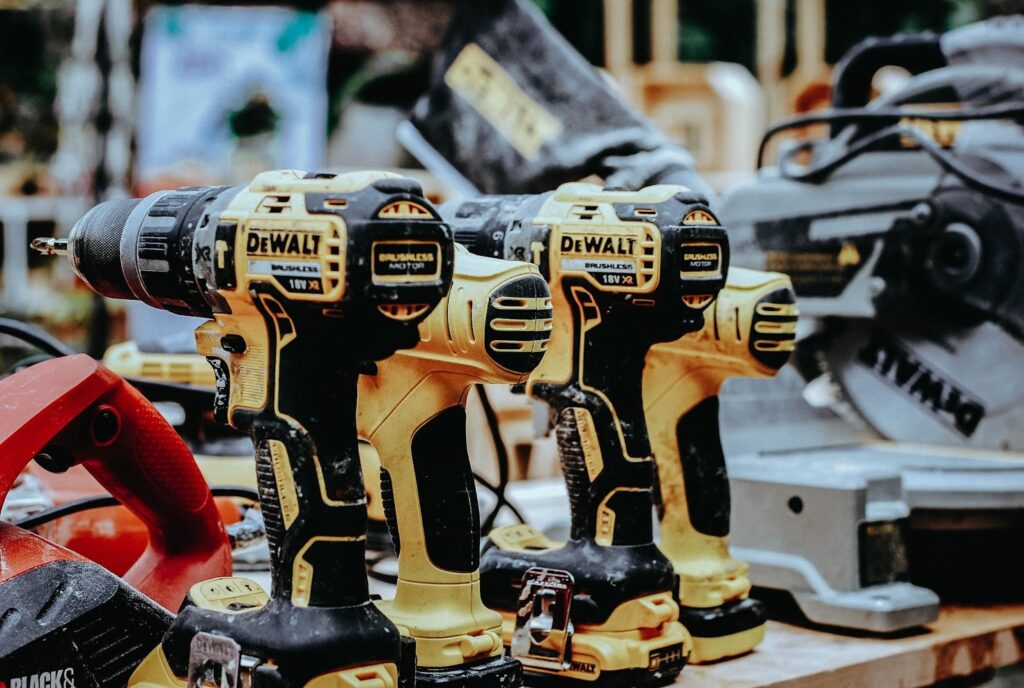
Choosing the right power drill starts with a clear view of the projects you plan to tackle. Whether you are assembling furniture, installing shelves, or drilling into concrete, the tool you pick should balance power, control, and endurance without overshoot. This guide outlines the key decisions you will face and offers a practical approach to buying with confidence.\n\nUnderstanding your projects\nBefore selecting a drill, list the common tasks you expect to perform. Light duty screw driving and occasional drilling into wood are very different from masonry work. Having a target will help you choose the right power, weight, and features.\n\nTypes of drills to consider\n- Corded drills provide constant power and do not rely on a battery\n- Cordless drills offer mobility and are ideal for most home projects\n- Hammer drills include a hammering action that makes masonry tasks easier\n- Impact drivers deliver high torque for screw driving and can be faster than a drill for certain fasteners\n- For heavy masonry or demolition tasks, a rotary hammer is the professional option\n\nKey specs and features to evaluate\n- Chuck size influences how large a bit you can use; common sizes are 1/2 inch for heavy work, 3/8 inch for mid range, and 1/4 inch for light duty\n- Variable speed and a clutch help control drilling and prevent stripping screws\n- Brushless motors offer improved efficiency, longer life, and better heat management\n- Battery powered drills come in common voltage classes such as 12V, 18V, and 20V; higher voltage usually means more power but added weight\n- Battery chemistry matters; lithium ion offers the best balance of weight and capacity; older tech like NiCd is heavier and less common today\n- In corded models, amperage can give a rough sense of power for continuous use\n- Ergonomics and weight influence fatigue; look for a comfy grip and balanced design\n\nWhat to buy now and how to test\n- For most homeowners, a versatile cordless drill/driver with a 1/2 inch chuck, brushless motor, and two batteries is a solid starting point\n- If you expect frequent masonry work, pair a hammer drill with masonry bits and a reliable hammer function\n- A basic drill set that includes spade bits, twist bits, wood bits, and a few driver bits gets you from assembly to project completion\n- When testing in store, check the balance in your hand, the ease of bit changes, the clutch feel, and the speed control response\n- Consider a basic maintenance kit and a spare battery so projects are not interrupted by a dead pack\n\nHow to maintain and extend life\n- Keep batteries at moderate temperatures and avoid deep discharges\n- Clean dust from vents and periodically lubricate moving parts per the manufacturer guidance\n- Store tools in a dry place and use a carry case for transport\n\nMaking your decision with confidence\n- Align the tool with your typical tasks, not just one big project\n- Balance power with weight and ergonomics for comfortable use over longer sessions\n- Budget for good bits and one or two spare batteries, rather than a bare tool that stalls on tasks\n\nConclusion\nChoosing the right drill comes down to matching your projects with a tool that provides reliable power, precise control, and comfortable handling. By understanding the differences between drills, evaluating key specifications, and testing in person, you can buy a drill that will serve you well for years to come. https://www.cordlessdrillsnow.com/guide-to-choosing-the-right-power-drill-for-you/

Comments
Post a Comment