12V vs. 18V vs. 20V Max: The Truth About Cordless Drill Power (and Which You Actually Need)
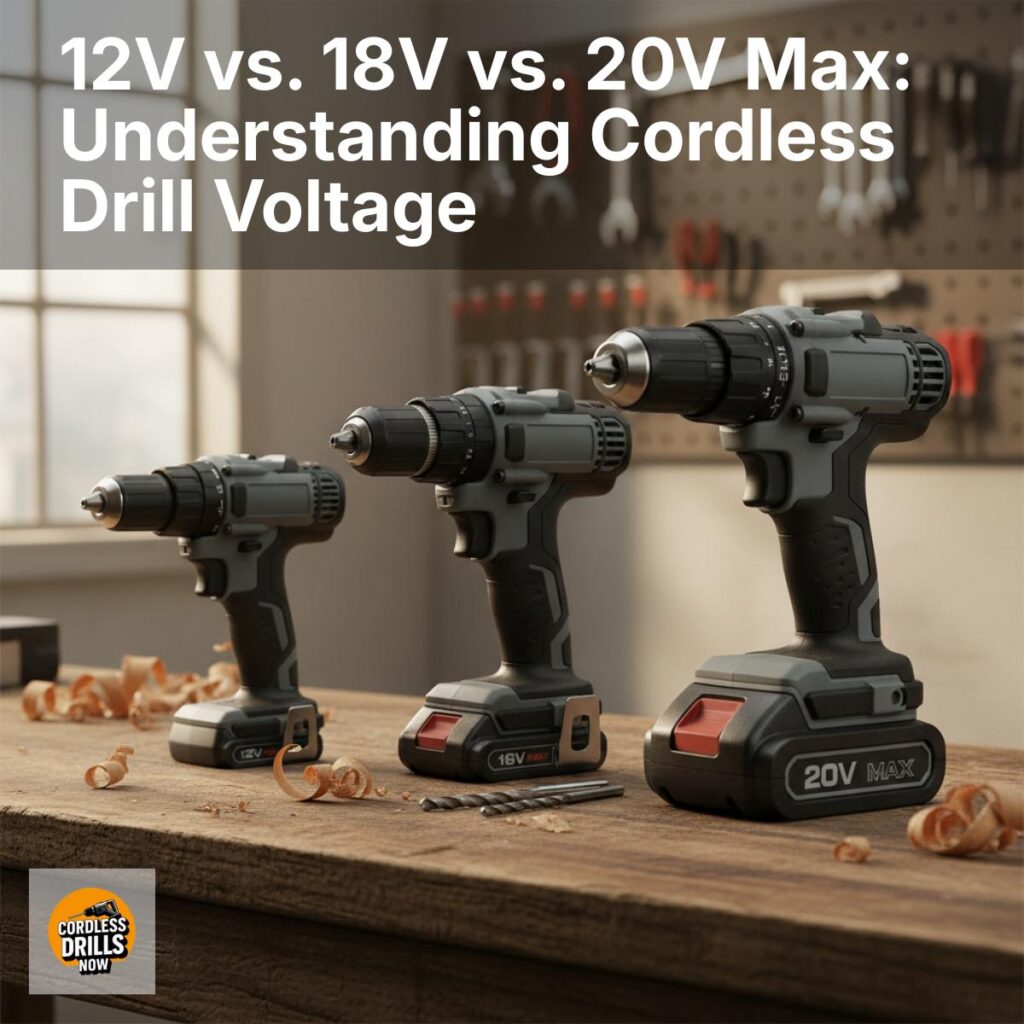
<p>When choosing a cordless drill, the voltage rating often appears to be the most important factor. For many buyers, it becomes a proxy for power, capability, and durability. But the reality is more nuanced. The 12V, 18V, and 20V Max classifications each have their own sweet spots, advantages, and limitations. Understanding how voltage interacts with other specifications—like torque, bit size, RPM, battery chemistry, and intended tasks—will help you pick a tool that actually fits your needs, not just a brand label.</p><p>1) What the numbers mean in practical terms<br>Voltage in a cordless drill is a proxy for potential power. Higher voltage generally equates to higher torque and better performance under load. However, the actual usable power also depends on current draw, motor design, gearing, and how the tool uses the battery’s energy over time. A higher voltage tool isn’t automatically better for every job; it’s better matched to heavier tasks and larger bits, while lower voltage tools excel in light, precise, or tight-space work.</p><p>2) The 12V class: nimble, manageable, and capable for light work<br>- Strengths: Small size, reduced weight, excellent maneuverability in tight spaces, quiet operation, and sufficient torque for light drilling and screw driving. Great for around-the-house tasks, picture-hanging, and furniture assembly.<br>- Limitations: Lower maximum torque and slower performance on dense materials such as hardwoods or dense metal. Not ideal for frequent heavy-duty drilling or long sessions with large bits.<br>- Best for: DIY projects, beginners, professionals who need a portable secondary drill, and tasks that require tight control and access in cramped areas.</p><p>3) The 18V class: balance of power, versatility, and regulation<br>- Strengths: Broad task coverage from general-purpose drilling to mid-range heavy-duty work. A well-supported ecosystem of batteries, chargers, and accessories. Sufficient torque for most wood, metal, and plastic tasks and comfortable for extended use.<br>- Limitations: Heavier than 12V models, which can affect fatigue during long sessions. Some mid-range 18V models may run hotter under constant heavy use if not properly managed.<br>- Best for: The majority of professional contractors and serious DIYers who perform a mix of tasks, from cabinetry to framing, where power and endurance matter without sacrificing balance.</p><p>4) The 20V Max class (and the branding nuance you should know)<br>- Clarification: The 20V Max designation originated from marketing aligned with the then-emerging cordless tool ecosystems. It’s essentially an 18V system in many practical respects, with voltage sometimes advertised higher due to nominal under-load readings or peak ratings. In modern practice, many 20V Max tools use similar performance to 18V tools and share compatible batteries.<br>- Strengths: Strong torque potential and robust performance, with an emphasis on flexibility within a family of tools. If you already own 20V Max batteries and tools, you’ll benefit from cross-compatibility and ecosystem breadth.<br>- Limitations: Branding can be confusing, and some tools marketed as 20V Max may sit on the borderline of 18V in real-world performance. Always compare actual spec sheets rather than relying solely on the badge.<br>- Best for: Users invested in a particular brand’s ecosystem who want a wide selection of compatible tools and accessories, and who perform a range of tasks that may include more demanding driving and drilling jobs.</p><p>5) How to choose the right voltage for your needs<br>- Assess your typical tasks: If your projects involve light screw driving, small-diameter pilot holes, and tasks in tight spaces, a 12V tool is usually more than adequate. If you frequently drill into wood, metal, or require longer battery life between charges, an 18V platform is a safer all-around choice. If your workflow includes a variety of mid-to-heavy tasks and you’re integrated into a brand’s ecosystem with a broad accessory lineup, consider the 20V Max branding as a compatibility cue more than a power guarantee.<br>- Consider torque and RPM in addition to voltage: High RPM matters for fast driving screws and clean pilot holees, while high torque matters for stubborn materials and larger bits. A tool with a reasonable balance between torque (trq) and no-load RPM will perform better in real-world tasks than a tool with only a high voltage rating.<br>- Battery chemistry and capacity: Modern lithium-ion and lithium-polymer packs offer better energy density, shorter charging times, and longer cycles. A higher voltage tool with a poor battery or small amp-hour rating can underperform compared to a lower-voltage tool with a robust battery. Look for Ah (amp-hour) ratings and C-rate information if available, and don’t assume longer runtime from voltage alone.<br>- Weight and ergonomics: Heavier tools can cause fatigue during rework-intensive projects. A lighter 18V kit might be more productive than a heavier 20V Max option if you value comfort and precision over raw power.<br>- Ecosystem compatibility: If you already own batteries and chargers, choosing a platform that reuses those packs is often more cost-effective and convenient than buying into a brand-new ecosystem.</p><p>6) Practical guidelines for common scenarios<br>- Light home improvement (hanging pictures, assembling furniture): A 12V drill or a compact 18V drill will handle most tasks with ease. Prioritize ergonomic comfort and a comfortable grip.<br>- Medium-duty tasks (cabinetry, shelving, metal pilot holes): An 18V drill offers more sustained performance and better torque control for longer sessions.<br>- Heavy drilling/upholstery, decking, framing: Look toward the upper end of the spectrum, with 18V or a tool branded as a higher-capacity platform within the ecosystem you trust. Ensure the model has good heat management and an efficient clutch system to prevent stripping or overdriving.</p><p>7) Final takeaway<br>Voltage is an important guideline, but it isn’t the sole predictor of real-world performance. The best choice hinges on your typical tasks, the balance you value between weight and power, and how well the tool integrates with your existing battery ecosystem. For most users, an 18V system offers the best compromise between capability and usability. If you only need light-duty work, a 12V option can be perfect. If you’re already invested in a brand’s ecosystem and require a broader tool lineup, a 20V Max branding may be a practical consideration rather than a pure power upgrade.</p><p>Bottom line: pick the platform that aligns with your workload, budget, and preference for ergonomics and ecosystem compatibility. Power is essential, but control, reliability, and long-term practicality determine a tool’s true value in your workshop.</p><p><a href="https://www.cordlessdrillsnow.com/12v-vs-18v-vs-20v-max-the-truth-about-cordless-drill-power-and-which-you-actually-need/">Source</a></p>


Comments
Post a Comment